How We Moved a Portobello Antique Shop in Notting Hill
Moving an antique shop is not the same as moving a normal retail unit, and Portobello Road in Notting Hill makes the job even more specific. Tight streets, busy footfall, fragile stock, awkward parking, and the simple fact that antique pieces do not forgive rough handling all change the way the move has to be planned. In this guide, we explain how we moved a Portobello antique shop in Notting Hill, what mattered most on the day, and what other shop owners can learn from the process. If you are weighing up a move for a vintage store, gallery, showroom, or specialist retail space, this will give you the practical view, not just the glossy version.
Truth be told, the difference between a smooth move and a stressful one often comes down to preparation. Not drama. Preparation. And in a place like Notting Hill, where access can change quickly and every square metre matters, that preparation needs to be properly thought through.
Table of Contents
- Why How We Moved a Portobello Antique Shop in Notting Hill Matters
- How How We Moved a Portobello Antique Shop in Notting Hill Works
- Key Benefits and Practical Advantages
- Who This Is For and When It Makes Sense
- Step-by-Step Guidance
- Expert Tips for Better Results
- Common Mistakes to Avoid
- Tools, Resources and Recommendations
- Law, Compliance, Standards, or Best Practice
- Options, Methods, or Comparison Table
- Case Study or Real-World Example
- Practical Checklist
- Conclusion
- Frequently Asked Questions
Why How We Moved a Portobello Antique Shop in Notting Hill Matters
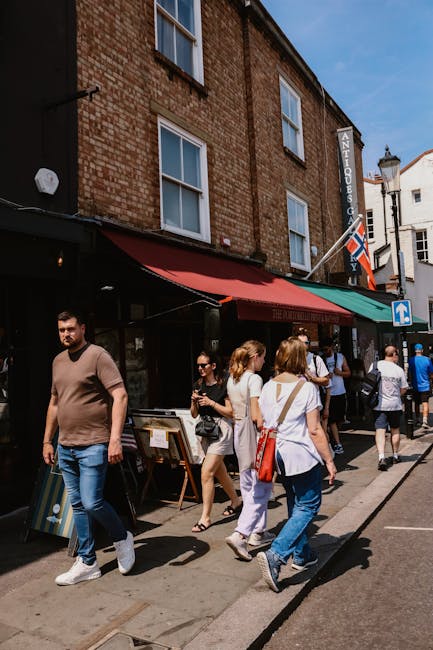
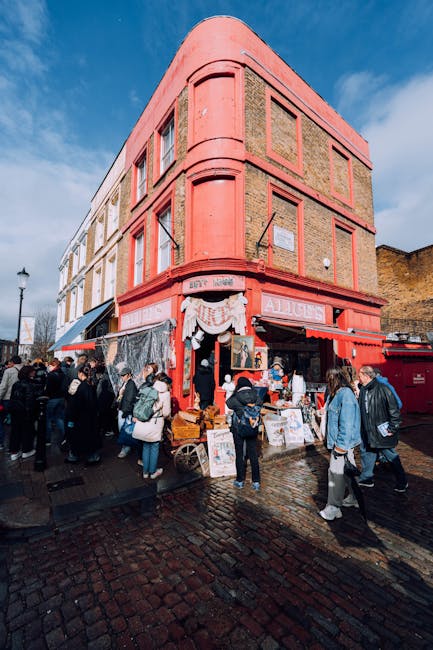
A Portobello antique shop is not just another retail move. The stock usually includes items with age, patina, delicate joints, uneven weight, glass, mirrors, framed art, ceramics, brass fittings, and odd-shaped furniture that does not enjoy being hurried. Add in Notting Hill's narrow roads, residents, parking pressure, and the busy rhythms around Portobello Market, and the move becomes a test of planning as much as lifting.
This matters because antique stock is often irreplaceable in the short term. If a chipped tabletop, cracked mirror, or damaged cabinet cannot simply be reordered, then the move itself becomes part of the value chain. One careless shove can cost far more than the moving day saved. That is not scare talk, just reality.
It also matters from a business point of view. A shop move can interrupt trading, unsettle regular customers, and create a backlog of unpacking, merchandising, and cleaning. Done well, though, it can become an upgrade: better layout, better storage, cleaner stock flow, and a showroom that feels more intentional the moment the doors open again. That's the ideal, anyway.
For shop owners, landlords, and property managers, understanding how how we moved a Portobello antique shop in Notting Hill actually works helps with realistic scheduling, staffing, access planning, and risk control. In our experience, the businesses that do best are the ones that think of a move as a project, not an errand.
How How We Moved a Portobello Antique Shop in Notting Hill Works
The basic structure of the move is straightforward, but the detail is where the work happens. We started by understanding the inventory: what needed specialist wrapping, what could be boxed, what needed two-person handling, and what was too awkward to stack without risk. Then we mapped the access at both ends, which in Notting Hill is never a silly step to skip.
A commercial move like this usually follows five phases: survey, packing, loading, transport, and installation. Each one affects the next. If packing is rushed, loading slows down. If access is misjudged, the vehicle sits awkwardly in the street and everyone gets a bit frazzled. If the new shop layout has not been planned, the unpacking stage becomes a game of "where does this go?" and nobody enjoys that.
For an antique shop, the handling method also matters. Pieces may need quilted blankets, corner protectors, shrink wrap used carefully and not over-tightened, labelled crates, and upright transport for mirrors or framed pieces. Glass shelving and decorative objects need clear marking. The team has to know what is fragile, what is top-heavy, and what cannot be stacked at all. A moving van is not a bin bag with wheels, after all.
There is also the question of timing. Portobello and the surrounding streets can be busy at the wrong moment, so a move often works better early in the day or during a carefully chosen slot with less congestion. This is where local knowledge pays for itself. A technically perfect plan that ignores street reality will still wobble.
Key Benefits and Practical Advantages
When handled properly, moving an antique shop in Notting Hill brings several practical advantages beyond simply getting from one unit to another.
- Lower damage risk: Specialist wrapping, careful stacking, and controlled lifting reduce the chance of broken stock.
- Cleaner reopening: Organised labelling makes it much easier to restock quickly and present the shop well.
- Less downtime: A structured move shortens the gap between closing one space and reopening the next.
- Better stock control: You know where each piece is, which matters when every item has a story and a price tag.
- Less stress for staff: Clear roles mean fewer last-minute scrambles and fewer awkward "who moved the mirror?" moments.
- Stronger customer continuity: Regular buyers notice when a business relocates smoothly rather than disappearing into chaos.
There is another benefit people sometimes overlook: confidence. A shop owner who sees their stock treated carefully tends to feel calmer, and that calm has a knock-on effect on the whole move. It sounds soft, but it makes a difference. A steady team moves better than a panicked one.
Who This Is For and When It Makes Sense
This kind of move is for anyone handling delicate, valuable, or non-standard retail stock in a location where access is not simple. Antique dealers, vintage furniture retailers, collectable shops, interior showrooms, small galleries, and independent retailers with one-off pieces all fall into that group.
It also makes sense when:
- you are moving within Notting Hill or nearby and need local route awareness;
- your stock includes fragile mirrors, cabinets, lamps, ceramics, or artwork;
- the current premises are too small, poorly arranged, or no longer commercially right;
- you need help with loading heavy or awkward items without damaging floors or walls;
- the move must happen around trading hours or market traffic;
- you want a commercial move rather than a general house move approach.
If you are comparing options, it is worth looking at broader commercial moves rather than assuming a standard domestic removal plan will do the trick. For shops like this, the right setup usually feels more like a tailored logistics job than a simple man-and-van run.
And yes, sometimes a small move is still a tricky move. One cabinet can cause more headaches than ten boxes if the shape is wrong and the stairwell is narrow. Funny how that works.
Step-by-Step Guidance
1. Survey the stock and the access points
Start with a full walk-through. Note what is fragile, what is oversized, and what needs dismantling. Measure doorways, stairwells, lifts if there are any, kerbs, and the route from the premises to the vehicle. In Notting Hill, a few metres can be the difference between a neat loading plan and a frustrating bottleneck.
2. Create a labelled packing plan
Group items by handling type rather than by display position alone. For example, mirrors together, framed pieces together, ceramics together, and heavy cabinets kept separate from lightweight decor. Clear labels save time later, especially when staff are trying to restock before opening.
3. Protect high-risk items first
Wrap corners, pad glass, brace doors, and secure loose drawers. Use proper blankets and packaging materials, not improvised fixes that look clever for five minutes and then fall apart. Antique pieces can be oddly unforgiving here.
4. Plan the loading order
Load the most delicate items in a sequence that avoids pressure points. Heavier furniture should be secured so it cannot shift. Fragile stock should be isolated, not just tucked in wherever there is a gap. The aim is controlled movement, not a van version of Tetris.
5. Time the move around local conditions
Notting Hill has its own rhythm. Market days, peak traffic, resident parking restrictions, and street congestion all affect the best time to move. Local timing matters more than many people expect. A move that looks simple on paper can slow down badly if a vehicle is waiting for space that never appears.
6. Unload with the layout in mind
At the new shop, place stock according to the merchandising plan, not just by convenience. If the heaviest items are going to the back wall, put them there first. If mirrors need to be checked for damage before installation, create a clear inspection area. The first hour on-site sets the tone for the rest of the day.
7. Inspect, sign off, and record issues early
Check items as they come off the vehicle. If something has shifted or suffered minor wear, note it straight away. That way everyone is working from the same facts, not a foggy recollection at the end of a long day.
Expert summary: A successful antique shop move is less about brute force and more about sequence, labelling, access, and calm handling. Get those right and the rest becomes much easier.
Expert Tips for Better Results
Here are the small details that make a surprisingly big difference. They are not glamorous, but they save time and reduce risk.
- Photograph high-value items before packing. It creates a simple condition record and helps with reassembly.
- Keep fixings in separate labelled bags. Drawer pulls, shelf pins, glass supports, and bolts vanish faster than you think.
- Use colour-coded labels. Green for display stock, blue for storage, red for fragile items. Simple, visual, and fast.
- Do not overpack boxes. Antique ceramics and heavy mixed boxes are a bad pairing. Be kind to the bottom layer.
- Plan one clear person in charge. Too many instructions at once slows everyone down. One voice, ideally.
- Leave a buffer for the unexpected. A stuck cabinet or a surprise parking issue is common enough that it should already be in the plan.
If the move includes larger or heavier furniture, it can help to look at furniture pick-up support as part of the wider logistics plan, especially where single items need careful handling rather than full-room removal.
One more thing: tape is not magic. People love tape. Tape is useful. But it will not compensate for poor packing, badly measured access, or a cabinet that really should have been disassembled in the first place.
Common Mistakes to Avoid
Most moving problems are avoidable. That is the annoying part, honestly. The repeat mistakes are usually the same ones.
- Leaving packing too late: This causes rushed wrapping, poor labelling, and missed items.
- Assuming all antiques handle the same way: A cast-iron table, a glass cabinet, and a painted chair need different treatment.
- Ignoring local access constraints: Narrow streets, loading space, and timing restrictions are not background details.
- Using the wrong vehicle size: Too small means extra trips; too large means manoeuvring headaches.
- Failing to brief the team: If nobody knows what is fragile, someone will make a guess. That is rarely ideal.
- Not planning the new layout: Unloading into a blank room without a plan wastes time and causes clutter.
There is also a subtle mistake that catches people out: overconfidence. A small shop may look easy to move because it is small, but small spaces often contain many more awkward objects per square foot. A lot of little complications, basically.
Tools, Resources and Recommendations
The right tools do not make the move for you, but they make the move safer and more orderly. For antique retail stock, the essentials are usually practical rather than fancy.
| Tool or Resource | Why It Helps | Best Used For |
|---|---|---|
| Furniture blankets | Protects wood, lacquer, and painted finishes from scratches | Cabinets, tables, framed stock |
| Corner protectors | Reduces chipping on sharp edges | Mirrors, shelves, display units |
| Labelling system | Makes unpacking faster and more accurate | All packed stock |
| Straps and securing equipment | Keeps items stable during transit | Heavy or top-heavy pieces |
| Floor protection | Helps avoid scuffs in the old and new premises | Loading areas and shop floors |
| Inventory list | Tracks what has moved and what still needs attention | High-value and mixed stock |
For broader moving support, many shop owners compare man and van style help with fuller removal setups. The right choice depends on volume, fragility, access, and whether you need help with packing as well as transport. A more comprehensive option can be useful if you want the process handled end to end rather than pieced together.
Useful internal pages for planning include the company's pricing and quotes information, which helps when you are trying to budget without making assumptions. If you want a sense of the wider business behind the move, the about us page can also help set expectations. And if you are still gathering options, the main removal services page is a sensible starting point.
Law, Compliance, Standards, or Best Practice
For a commercial move in London, best practice matters even when there is no dramatic legal issue hanging over the day. You still want suitable insurance, safe lifting methods, sensible vehicle loading, and proper care for staff and property. If a mover is handling valuable stock, they should be clear about what is covered and what is not. That kind of clarity saves awkward conversations later.
Health and safety is not just a box to tick. Good moving practice includes keeping walkways clear, using proper handling techniques, avoiding overloading, and protecting both stock and premises. If you want to see how a provider frames those responsibilities, the health and safety policy and insurance and safety pages are worth reviewing.
There can also be waste and recycling considerations when old packaging, broken fixtures, or surplus shop fittings need removal. It is sensible to deal with those properly rather than leave a mess in a street that already has enough traffic to deal with. The company's recycling and sustainability approach may be useful if you are planning a fuller clean-out or refit.
If you are disposing of bulky items as part of a move, it may also help to read about local waste handling in the blog post on disposing of bulky items in Notting Hill without council fines. That is especially relevant if old shelving, broken display units, or unwanted stock are leaving the business at the same time.
Options, Methods, or Comparison Table
Not every antique shop move needs the same level of support. Some are straightforward; others need more hands, more packing, and more time. Here is a useful comparison.
| Method | Best For | Strengths | Watch Outs |
|---|---|---|---|
| Self-managed move | Very small stock and low-risk items | Lower direct cost, full control | Time-consuming, higher risk of mistakes, harder on staff |
| Man and van support | Smaller boutique moves with mixed stock | Flexible, efficient, cost-conscious | May need extra help for fragile or heavy items |
| Full commercial removal service | Larger or more delicate shop relocations | More structured, better for complex handling | Typically more planning required upfront |
For a Portobello antique shop, the middle and upper options are often the most realistic. A simple vehicle and one pair of hands may be fine for a few boxes and a small cabinet, but a full shop move usually benefits from proper planning and a team that understands commercial handling. If you are comparing approaches, a guide like man and van vs full removals in Notting Hill can help you think it through in practical terms.
If timing is tight, you may also want to look at same-day removals in Notting Hill or emergency moves. Those are not the first choice for a carefully planned antique move, to be fair, but they can be useful if a lease date changes or access windows suddenly collapse.
Case Study or Real-World Example
Here is a realistic example of how a Portobello-style antique shop move tends to unfold. A small dealer needs to relocate from a shop off Portobello Road to a new unit nearby. The stock includes vintage chairs, a few large mirrors, mixed ceramics, and several delicate decorative pieces. The old shop is cramped, the new one has a better layout but only limited access for unloading, and the move must happen without disrupting trade too badly.
The first step is inventory. Not every item needs the same treatment, so the team sorts stock into categories: fragile, bulky, stackable, and display-sensitive. Mirrors and framed pieces are wrapped and separated. Chairs are protected in pairs. Small stock is boxed and labelled by display zone rather than just by generic category, which makes it easier to rebuild the room later.
On the day, the loading point is checked first. If the vehicle cannot park exactly where planned, the team adjusts the sequence rather than forcing the issue. That sounds minor, but it is the difference between a smooth handover and a fraught one. The new shop is prepared with clear zones: heavy items go to their intended walls first, fragile pieces stay central until the floor is clear, and all fittings are checked before final placement.
The result is not glamorous, but it works. Less damage. Less confusion. Faster reopening. And, perhaps most importantly, the shop owner can breathe again once the last crate is in place. Anyone who has moved a business will know that feeling. It is a very particular kind of relief.
Practical Checklist
Use this checklist before the move starts. It keeps the day calmer, which is worth a lot.
- Confirm the moving date and access window
- Measure doorways, stairs, lifts, and loading points
- Sort stock into fragile, heavy, and standard handling groups
- Photograph valuable items before packing
- Label all boxes and protected pieces clearly
- Remove loose fittings, shelf items, and detachable parts
- Prepare blankets, wraps, tape, and protective materials
- Plan the load order for the vehicle
- Protect floors and walls in both premises
- Confirm insurance and responsibility for high-value items
- Prepare the new layout before delivery arrives
- Inspect stock on arrival and note any issues immediately
- Keep a contact list for key decision-makers on both sides
Quick reminder: the more unusual the item, the earlier it should be flagged. Waiting until moving day is, frankly, a bad habit. A very expensive one sometimes.
Conclusion
How we moved a Portobello antique shop in Notting Hill comes down to one simple idea: specialist stock deserves specialist thinking. The streets are busy, the access is not always generous, and the items themselves often need more care than a standard retail move. But with the right plan, clear labelling, careful handling, and a team that understands local logistics, the process becomes manageable and far less stressful than people fear.
Whether you are relocating a single antiques showroom, moving a vintage furniture store, or reorganising a small retail space with fragile stock, the key is the same. Plan early, protect the pieces, and keep the move calm and deliberate. That is what saves time in the end.
If you are looking at a similar move and want a straightforward starting point, explore the service pages, compare the options, and think about the practical details before the pressure starts. It makes the whole thing easier. Much easier.
Get a free quote today and see how much you can save.
Frequently Asked Questions
What makes moving an antique shop different from moving a normal retail store?
Antique shops usually have more fragile, irregular, and high-value stock, so the move needs careful packing, better labelling, and more controlled handling. It is less about volume and more about protection.
How far in advance should a Portobello antique shop move be planned?
As early as possible. Even a local move can need several moving parts: inventory checks, access planning, packing materials, and timing around traffic or parking. The earlier you plan, the fewer surprises you get.
Do antique items need special packing materials?
Usually, yes. Furniture blankets, corner protectors, strong boxes, padded wraps, and careful securing are all helpful. Some items need extra bracing or upright transport, especially mirrors and framed pieces.
Can a man and van service handle an antique shop move?
It can, depending on the size of the stock and how fragile it is. For smaller boutique moves, it may be enough. For larger or more delicate shop relocations, a fuller commercial removal approach is often safer.
How do you protect mirrors and glass cabinets during the move?
Wrap them carefully, protect the corners, keep them separated from heavier items, and secure them so they cannot shift in transit. Upright placement is usually safer than flat stacking for many pieces.
What should be moved first on the day?
Usually the most fragile or awkward items, followed by heavier furniture and then boxed stock. The exact order depends on access, layout, and what needs to be unloaded first at the new shop.
Is it better to move antiques early in the morning?
Often, yes, especially in busy areas like Notting Hill where traffic and street activity can build quickly. Earlier timings can make loading and unloading less stressful, though the best slot depends on local access.
How do I know if I need a full removal service rather than a simpler move?
If you have multiple fragile items, bulky furniture, limited access, or a short reopening deadline, a full removal service is usually the safer option. It gives you more structure and less last-minute improvising.
What happens if some stock is damaged during the move?
That depends on the packing method, handling, and any insurance or service terms in place. It is wise to photograph stock before the move and check items on arrival so any issues are identified quickly.
Can a move like this be done without closing the shop for long?
Often yes, if the packing is done in stages and the new premises are ready before the main delivery arrives. Good sequencing and a clear unpacking plan help reduce downtime a lot.
Do I need to clear out unwanted fixtures and old stock before moving?
It is usually better to decide that before the move, rather than dragging unwanted items to the new premises. A cleaner load keeps the new shop less cluttered and makes setup easier.
What is the biggest mistake shop owners make with local moves in Notting Hill?
Underestimating access. The area can be busy, the streets can be tight, and parking can be awkward. If you plan for that properly, most of the stress drops away.