Furniture Pick-Up in Notting Hill
Furniture Pick-Up in Notting Hill is a practical, time-saving solution for anyone who needs bulky items removed without the stress of hiring a van, lifting heavy pieces, or navigating local access issues alone. Whether you are clearing a flat near Portobello Road, replacing office furniture close to Westbourne Grove, or making space in a townhouse, a local collection service can help you move unwanted items quickly and responsibly.
Notting Hill has its own set of challenges: narrow streets, busy traffic, controlled parking zones, converted period buildings, maisonettes, basement flats, and tight stairwells. That is exactly why choosing a local team for furniture collection or furniture pick-up makes sense. It is not just about removing an old sofa or bed frame; it is about making the process smooth from the first enquiry through to the final load-out.
For households, landlords, letting agents, designers, and small businesses, a well-organised furniture removal service can save time and reduce disruption. If you want a dependable way to clear space before a move, refurbishment, end-of-tenancy handover, or office refresh, this page explains what is included, how the service works, and what to consider before booking. Contact us today or request a free quote when you are ready to arrange a convenient collection.
Why Furniture Pick-Up in Notting Hill Is in Such High Demand

Notting Hill is known for its mix of elegant terraces, modern apartments, mews houses, and commercial premises. That variety creates a steady need for furniture removal because properties are often in constant transition. A family may be downsizing from a larger townhouse. A young professional may be moving out of a rented flat. A landlord may need to clear bulky items between tenancies. A shop or studio may be replacing old fittings. In every case, the job is more practical when handled by a local collection team familiar with the area.
One of the main reasons customers search for furniture pick-up in Notting Hill is convenience. Large items are awkward to move, and most people do not have the right vehicle or enough helping hands. When you add stairs, parking restrictions, and the risk of damaging walls or floors, the task becomes even more difficult. A professional collection service is designed to reduce that stress and handle the heavy lifting carefully.
Another reason local demand stays high is the pace of change in the neighbourhood. Homes are often being renovated, refurnished, or re-let, while businesses want efficient clearances that do not disrupt trading. Having a local furniture pick-up service means you can arrange a collection that fits around real-life schedules, access limitations, and the practical realities of living or working in a busy west London area.
What a Furniture Collection Service Typically Includes

A proper furniture pick-up service should do more than just arrive and carry things away. Customers need a service that is organised, polite, and capable of handling items of different sizes and weights. The exact scope may vary, but most collections in Notting Hill will include loading, removal from the property, and transport away from site.
Common items collected include:
- Sofas, armchairs, and recliners
- Beds, mattresses, bed frames, and headboards
- Dining tables, chairs, sideboards, and cabinets
- Wardrobes, chests of drawers, and shelving units
- Desks, office chairs, meeting tables, and storage units
- Garden furniture and balcony furnishings
- Mixed household furnishings from one room or an entire property
Depending on the booking, the team may also help with dismantling certain items to make removal easier. For example, a wardrobe may need to be taken apart in a tight hallway, or a bed frame may need to be separated into sections before carrying it down stairs. This sort of support can make all the difference in older properties where space is limited and access is less straightforward.
Who Uses Furniture Pick-Up in Notting Hill?

Furniture collection is useful for a wide range of local customers. Many people think of it only as a household service, but in practice it serves many different needs across the area. In Notting Hill, demand comes from residents, landlords, estate and letting professionals, offices, hospitality venues, retailers, and creative studios.
Residential customers often book a pick-up when they are replacing old furniture, preparing for a move, clearing a spare room, or dealing with an inherited property. Flats in the area can be beautifully designed but awkward to access, especially in converted buildings. That makes a local service especially helpful because it can be planned around stairs, narrow entrances, and shared access.
Commercial customers use furniture removal for office clear-outs, retail refits, café upgrades, and storage-room decluttering. A business may need old desks or display units removed outside trading hours or at a time that causes minimal interruption. A flexible collection team can help with this by offering a straightforward, efficient service for bulky items that are no longer needed.
Local Access Challenges That Matter in Notting Hill
Notting Hill has a character that is part of its appeal, but the same features that make it attractive can also complicate furniture removal. Many properties sit on roads where parking is limited, loading spaces are shared, and traffic can be busy at peak times. Some homes are above shops, some are on garden squares, and some are accessed by narrow internal stairs or basement entrances.
That is why local knowledge matters. A team familiar with the neighbourhood can plan around practical issues such as waiting restrictions, one-way streets, and building access. This can help avoid unnecessary delays and reduce the risk of damage when moving bulky pieces through tight spaces. It also means your collection can be managed with less disruption for neighbours and other residents.
If you are arranging furniture pick-up in Notting Hill for a flat near Ladbroke Grove, a townhouse off Holland Park Avenue, or a commercial unit close to Kensington Park Road, it helps to work with people who understand the local layout. That knowledge supports smoother scheduling, better planning, and a more efficient overall experience.
Why local experience can save time
Experienced local teams are often better prepared for the realities of the area. They know that a collection may take longer if lift access is limited or if large items need to be negotiated through a shared entrance. They also know how to keep the process orderly when parking has to be planned carefully. For customers, that means fewer surprises and a more manageable appointment.
How the Furniture Pick-Up Process Works
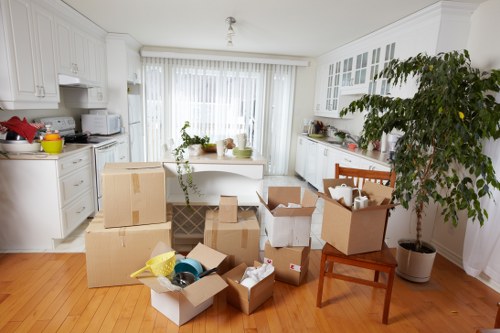
The collection process should be simple and reassuring. Most customers want clear steps, minimal hassle, and confidence that the job will be handled properly. While exact arrangements can vary, a typical furniture pick-up in Notting Hill follows a straightforward structure.
- Initial enquiry: You describe the items you want removed, the property type, the access situation, and your preferred timing.
- Quote or estimate: The service provider considers the amount of furniture, labour needed, floor level, parking access, and any dismantling requirements.
- Booking confirmation: A collection time is agreed, often with attention to local access constraints and your schedule.
- Arrival and assessment: The team arrives, checks the items and route out of the property, and confirms the plan for safe removal.
- Loading and removal: The furniture is carried out, loaded, and taken away efficiently.
- Final check: The area is checked to make sure everything booked for collection has been removed.
This process works well for single items and for larger clearances. If you only need one sofa removed, the appointment can still be arranged efficiently. If you are clearing several rooms at once, the service can be scaled accordingly. The aim is to make the collection straightforward whether the job is small or substantial.
For busy customers, it is especially useful that the service can be planned around a moving day, a decorating schedule, or a tenancy deadline. If you are trying to free up space quickly, book your service now and arrange a convenient collection window.
What to Prepare Before Your Furniture Collection

A little preparation can make furniture removal faster and easier. You do not need to do the heavy lifting yourself, but there are simple steps you can take so the team can work efficiently when they arrive. Good preparation also helps reduce the chance of delays in properties with tight access.
Useful preparation steps include:
- Measure large items and note any narrow doors, stairs, or hallways.
- Clear a path from the item to the exit if possible.
- Remove personal belongings, valuables, and loose items from drawers or shelves.
- Let the team know in advance if furniture needs dismantling.
- Check whether any parking or loading restrictions apply at your address.
- If you live in a managed building, confirm any access rules or time limits.
If the furniture is in a basement flat, a top-floor apartment, or a property with shared entryways, it is worth mentioning this early. The more accurate the information at enquiry stage, the smoother the collection is likely to be. That does not mean you need to know every detail, but a quick description of the layout can help the team arrive prepared.
Helpful tip for mixed clearances
If you are not sure which items you want to remove, make a quick list before the appointment and group the furniture by room. This makes it easier to decide what stays and what goes once the team is on site. It is especially useful if the collection is part of a larger declutter or move.
Pricing Factors for Furniture Pick-Up in Notting Hill
Customers often want to understand what affects the cost of a furniture pick-up before booking. While exact prices depend on the provider and the job details, several factors commonly influence the final quote. Being aware of these helps you compare services fairly and avoid surprises.
Typical pricing factors include:
- The number of items or total volume being removed
- How heavy or awkward the furniture is
- Whether items need dismantling before removal
- Floor level, lift access, and stair carrying requirements
- Parking access and the distance from the vehicle to the property
- Urgency of the booking or preferred time slot
- Whether the collection is a single item, partial clearance, or full room emptying
It is often helpful to provide photos or a clear description when asking for a quote. That allows the provider to understand the scale of the job and the access conditions. In Notting Hill, where property layouts vary widely, accurate information is especially valuable because two similar-looking flats can have very different access arrangements.
Good-value furniture removal is not just about choosing the lowest headline figure. It is about getting a service that is efficient, careful, and suited to the local environment. A transparent quote, with the key details considered upfront, is usually the best starting point. Request a free quote if you want to compare your options with clarity.
Why Choose a Local Furniture Pick-Up Company
There are real advantages to working with a local team rather than someone unfamiliar with the area. In a place like Notting Hill, small details matter. Local operators are more likely to understand the parking situation, likely traffic patterns, and the type of access problems that come with period conversions and compact flats.
Choosing a local company can also make communication easier. If your appointment needs to be adjusted because of building access, timing, or item size, a nearby team is often better placed to respond quickly. That flexibility is useful for residential customers dealing with a tight moving schedule and for businesses trying to avoid disruption during opening hours.
Other benefits of choosing local include:
- Better understanding of nearby streets and access routes
- More practical planning for parking and loading
- Quicker scheduling in many cases
- Experience with local property types and shared entrances
- More tailored support for both homes and commercial premises
When you are arranging furniture pick-up, the service should feel easy from the first conversation. A local company can often offer that sense of reliability because they are already working in the area and understand what residents and businesses actually need.
Common Situations When Customers Book Furniture Removal
Many people arrange furniture pick-up in Notting Hill during moments of transition. These are often busy periods, and having help with bulky items takes pressure off an already demanding day.
Common reasons for booking include:
- Moving home or preparing a property for sale
- End-of-tenancy clearances
- Replacing old or damaged furniture
- Clearing inherited items from a family property
- Renovating a flat or townhouse
- Refitting an office, shop, studio, or café
- Making room for new furniture deliveries
- Decluttering before renting or staging a property
Some customers only need one item removed, while others need several rooms cleared in one visit. Either way, having a responsive service helps you move forward without leaving heavy furniture in the way for days or weeks. That is particularly useful in properties where space is at a premium and storage is limited.
What Makes Furniture Removal in Notting Hill Different
Furniture removal is never entirely the same from one area to another. In Notting Hill, the local property mix creates a very specific set of requirements. Converted Victorian and Edwardian homes may have attractive interiors but difficult staircases. Flats above shops may need careful coordination with building access. Garden flats may be easier to enter but still require planning around shared pathways or limited parking.
Commercial properties in the area can also involve a mix of challenges. Retail spaces may need fittings cleared after hours. Offices may have to remove desks and chairs without interrupting staff. Hospitality venues may want a fast turnaround to keep operations running smoothly. A service that understands these different contexts can provide better support than a one-size-fits-all approach.
This is why local furniture pick-up is more than a transport job. It is a practical service built around the realities of the neighbourhood. When the team understands the area and the type of property, the whole process tends to be more efficient, more considerate, and easier for the customer.
Areas covered nearby
Furniture collection in Notting Hill often extends to nearby parts of west and central London, including the surrounding streets and neighbourhoods where similar access patterns and property types are common. Customers may also need collections in areas close to Holland Park, Kensington, Bayswater, Ladbroke Grove, Westbourne Park, and Shepherd’s Bush, depending on where the furniture needs to be removed from.
Preparing for Different Types of Property
Because Notting Hill has such a varied housing stock, it helps to think about the type of property when arranging your collection. A service that works well in one home may need slight adjustments in another. This is normal, and it is one of the reasons local experience is valuable.
Flats and apartments
For flats, stair access, lifts, building rules, and communal hallways are often the main considerations. Furniture may need to be carried through narrow corridors or turned carefully on landings. If there is a lift, it may still be too small for larger pieces, so it is good to flag that early.
Townhouses and maisonettes
These properties may have multiple floors and narrow internal stairs. Large items like wardrobes or king-size bed frames can be difficult to remove without preparation. Where possible, clearing the route ahead of time helps the collection go more smoothly.
Commercial premises
Shops, offices, and studios often need collections timed around opening hours, staff availability, or deliveries. Furniture may also need to be removed in stages rather than all at once. A flexible team can make this easier by working with the space and timing available.
What Happens to the Furniture After Collection?
Many customers want to know what happens once the furniture leaves the property. While the exact handling process depends on the service and the condition of the items, responsible removal means thinking carefully about where items go next. Reusable furniture may be directed for reuse where appropriate, while other items may need to be processed through the proper waste channels.
If items are in good condition, it can sometimes make sense for them to be separated from general disposal items so they can be handled differently. This is one reason it helps to identify which pieces are still usable and which are no longer fit for use. It gives the collection team a clearer idea of the best approach.
For customers, the key point is that the service should be organised with care and awareness. You want your unwanted furniture removed efficiently, but you also want confidence that it is being dealt with responsibly. If that matters to you, mention it during the booking process so the team understands your priorities.
Frequently Asked Questions
Do I need to move the furniture outside before collection?
No. In most cases, the collection team will remove the furniture from inside the property. If an item is especially large or difficult to reach, it helps to mention this in advance so the team can plan accordingly.
Can you remove just one item?
Yes. Many customers book furniture pick-up for a single sofa, mattress, bed frame, or wardrobe. A one-item collection can still be worthwhile if you need the space cleared quickly or cannot move the item yourself.
What if my furniture needs dismantling?
If an item needs to be taken apart to get it out safely, let the provider know before the appointment. Some items can be dismantled on site, which is often useful in tighter properties.
How much notice do I need to give?
That depends on availability and the size of the job. If you have a deadline, such as a move-out date or refurbishment schedule, it is best to enquire as early as possible. That gives more time to plan around access and parking.
Can you collect from commercial premises as well as homes?
Yes. Furniture pick-up is commonly used by offices, retail spaces, cafés, studios, and other business premises in and around Notting Hill. The service can often be arranged to suit business hours or off-peak timings.
How do I get started?
Simply prepare a short description of the furniture, your location, and any access details. Then contact us today or book your service now to discuss the collection and arrange a convenient time.
Choose a Furniture Pick-Up Service That Fits Real Local Needs
When people look for furniture pick-up in Notting Hill, they are usually looking for more than a van and a pair of hands. They want a service that understands local properties, handles bulky furniture carefully, and keeps the process as simple as possible. They want clear communication, sensible planning, and a team that can deal with the kind of access issues common in west London homes and businesses.
Whether you are clearing a single room, emptying a flat, or arranging a larger commercial furniture removal, a local service can save time and reduce stress. It helps to work with people who know how to manage narrow staircases, loading restrictions, and the practical realities of busy residential streets. That local understanding is often what turns a difficult task into a straightforward one.
If you are ready to make space, simplify a move, or remove items that no longer fit your property or business, now is a good time to take the next step. Request a free quote, ask about availability, and arrange furniture collection at a time that suits you. For many customers in the area, the right furniture pick-up service is the difference between a frustrating day and an easy one.
Contact us today to discuss your furniture removal needs in Notting Hill and nearby areas. From one-off pick-ups to larger clearances, the service can be tailored to your property, your timeline, and your practical requirements.