Recycling and Sustainability with Notting Hill Man And Van
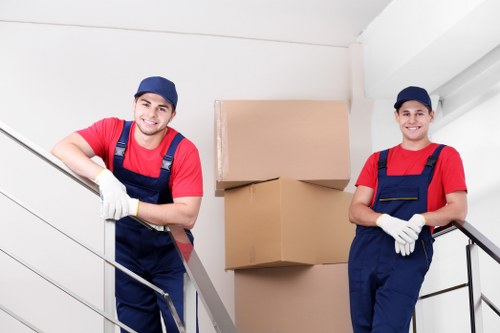 At Notting Hill Man And Van, sustainability is not treated as an afterthought; it is built into the way every move is planned and completed. Our approach to Notting Hill recycling focuses on reducing what goes to landfill, separating reusable items early, and making sure waste is directed to the most suitable local channels. We aim for an 80% recycling and diversion target across suitable loads, with the remaining materials handled responsibly through licensed facilities. This means sorting furniture, white goods, cardboard, metals, and mixed household items so that as much as possible can be recovered, reused, or recycled rather than discarded.
Moving in and around West London brings a wide variety of waste streams, from flat clearances to office removals and end-of-tenancy disposals. Because boroughs in the area encourage careful waste separation, our recycling-focused removal service aligns with local expectations for cleaner material sorting and better resource recovery. We pay close attention to common separation categories such as paper and cardboard, metals, wood, textiles, and electrical items, helping to keep loads suitable for transfer to the right processing route. This practical approach supports local environmental goals while making sure each job is handled efficiently.
Our work is also shaped by the local infrastructure available across west and north-west London.  When needed, we make use of approved local transfer stations and waste handling facilities that accept mixed recyclables, bulky household waste, and separated construction materials. These sites are chosen for compliance, traceability, and their ability to direct recoverable material into recycling streams. By using nearby transfer stations where appropriate, Notting Hill Man and Van recycling operations help reduce unnecessary travel and support a more efficient collection-to-processing flow.
Re-use is just as important as recycling. We work with a range of charitable and community organisations so that items in good condition can be passed on for a second life instead of being broken down immediately. Sofas, tables, wardrobes, kitchenware, books, and household goods may be suitable for donation, depending on condition and safety. Through these charity partnerships, our Notting Hill removals can help extend the life of items that would otherwise become waste. This is especially valuable during flat moves and decluttering projects where many possessions still have practical value.
The benefit of a reuse-first model is that it reduces pressure on disposal systems and lowers the embodied carbon associated with manufacturing replacement goods. In many cases, a carefully managed clearance can combine donation, recycling, and responsible disposal in one structured process. That is why our eco-conscious van removals plan aims to identify reusable items before they enter the waste stream. It is a small but meaningful way to support a more circular economy in the boroughs we serve.
 Our fleet also reflects this commitment. We use low-carbon vans selected for better fuel efficiency and reduced emissions, helping to lower the environmental impact of each journey. By planning routes carefully and matching vehicle size to the job, we reduce unnecessary trips and keep transport emissions as low as possible. This is especially useful in dense parts of West London where traffic, short-distance movements, and stop-start driving can quickly increase fuel use. Choosing efficient vans means sustainability is considered not only at the disposal stage, but throughout the entire removal process.
A Practical Recycling Approach for Notting Hill
Waste management in the area often depends on clear separation and sensible sorting, and our service is designed with that in mind. We look at the load item by item and decide whether it should be donated, recycled, dismantled for material recovery, or sent to a licensed disposal route. Items such as wooden furniture may be broken down into recoverable components, while metals and electrical goods are directed toward specialist recycling processes. This careful handling reflects the broader borough approach to waste separation, where better sorting leads to better recovery outcomes.
We also recognise that sustainability is not only about what happens at the end of a move. Packaging materials such as boxes, paper wrap, bubble wrap, and protective covers can often be reused multiple times before they are finally recycled. Our Notting Hill moving and recycling service encourages the sensible reuse of packing materials wherever possible and separates recyclable packaging from general waste. In this way, even a simple relocation can become more resource-efficient and less wasteful.
For heavier clearances, especially in homes or small commercial spaces, mixed loads are assessed to make sure recyclable material is not lost among general rubbish.  This is particularly useful in neighbourhoods where local waste guidance increasingly prioritises sorted disposal of cardboard, metal, glass, and electrical items. Our teams are trained to identify these categories quickly, helping ensure that the right materials reach the right recovery channels. It is a straightforward system, but one that makes a significant difference to overall recycling performance.
Supporting a Lower-Impact Move
Another part of our sustainability strategy is choosing sensible timing and load planning. A well-organised route can reduce idle time, lower fuel consumption, and minimise the number of journeys needed to complete a move. Combined with efficient vans and responsible sorting, this creates a more sustainable removals model. We also make sure that recyclable and reusable materials are separated as early as possible, so there is less chance of contamination that could prevent them from being processed correctly.
In a borough like Notting Hill, where residents and businesses often work within compact properties and shared waste systems, this careful handling is especially important. Many local buildings produce a blend of household, office, and packaging waste, so separating materials into the correct streams can improve recycling rates and reduce contamination. Our process supports this by handling loads in a way that mirrors good local recycling habits, from sorting cardboard and paper to identifying reusable furniture and repairable household goods.
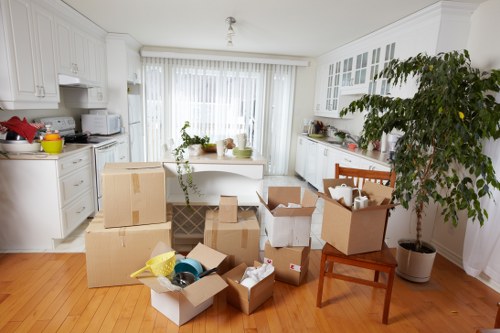 At Notting Hill Man And Van, sustainability is part of everyday moving practice. By aiming for an 80% recycling and reuse target, working with charities, using local transfer stations responsibly, and operating low-carbon vans, we help make removals more environmentally mindful. The result is a service that supports both practical moving needs and the wider goal of reducing waste across the community. For anyone seeking a greener Notting Hill man and van recycling solution, our approach is designed to keep useful materials in circulation for as long as possible.