Commercial Moves in Notting Hill
Professional moving support for local businesses, offices, and retail spaces

When a business needs to move, the difference between a smooth transition and a disruptive one often comes down to planning, local knowledge, and the right moving team. Commercial moves in Notting Hill are rarely simple. This area has a unique mix of period buildings, converted townhouses, boutique shops, creative studios, hospitality venues, and modern office spaces tucked between busy streets and residential pockets. A commercial relocation here needs more than a van and a few movers — it needs a careful, organised approach that respects the character of the neighbourhood and the realities of operating a business in it.
Whether you are relocating a small office near Westbourne Grove, moving a retail unit close to Portobello Road, shifting a consultancy from a shared workspace, or reorganising stock and fixtures for a hospitality venue, local experience makes a real difference. Notting Hill is vibrant, busy, and often tight on space. Parking can be limited, access can be awkward, and many premises have stairs, narrow entrances, or strict building rules. A reliable commercial removals service helps reduce downtime, protect equipment, and keep your move as efficient as possible.
At its best, a commercial move is not just about transporting items from one place to another. It is about protecting business continuity, managing deadlines, handling sensitive equipment, and making sure your team can get back to work quickly. That is why many local customers look for a team that understands the area, can adapt to different property types, and offers a practical service built around real business needs.
Why businesses in Notting Hill need a local commercial moving team
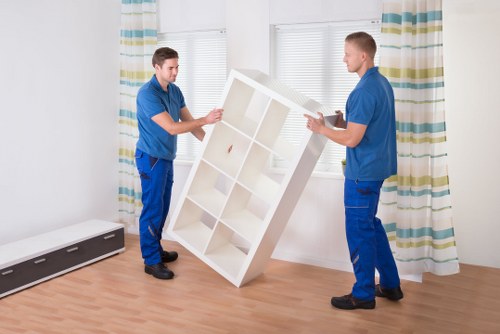
Notting Hill has a distinctive business landscape. You will find independent shops, restaurants, galleries, design studios, wellness practices, professional offices, and small service businesses operating alongside residential homes and mixed-use buildings. That variety creates a wide range of moving requirements. A retail move is not the same as an office relocation, and a café fit-out needs very different handling from a studio move or a back-office transfer.
A local team offering commercial relocations in Notting Hill can plan with the neighbourhood in mind. That includes understanding loading restrictions, anticipating traffic on key routes, and planning around busy periods when access may be more difficult. It also means being prepared for properties that are split over multiple floors, have shared entrances, or require careful coordination with building managers, landlords, or neighbouring businesses.
Local relevance matters because time matters. If your business depends on appointments, customer footfall, or quick stock turnaround, delays can be expensive. A move handled by professionals helps reduce the risk of disruption, lost trading hours, and damage to items that are essential to your daily operations. For many local customers, choosing a commercial moving company with nearby experience is as important as choosing the right schedule.
Common commercial move types in the area
Commercial removals in Notting Hill can cover a broad range of business types and property setups. Common examples include:
- Small office relocations for freelancers, consultancies, and professional services
- Retail moves for boutiques, fashion shops, and lifestyle stores
- Hospitality and food business moves, including equipment and stock transport
- Studio and creative workspace moves for photographers, designers, and agencies
- Wellness and clinic relocations with equipment and sensitive furnishings
- Internal business moves, such as reconfiguring floors or departments
What is included in a commercial move

A well-run business move should cover more than lifting and loading. Customers often want a service that feels coordinated from start to finish, with enough flexibility to fit around trading hours and business priorities. The exact scope depends on your premises and what you are moving, but most commercial moving services in Notting Hill should be able to support planning, packing, transport, and set-down in a way that makes the process manageable.
Typical inclusions may involve dismantling and reassembly of office furniture, careful wrapping of desks and chairs, safe handling of stock and display items, and protection for fragile or specialist equipment. For many businesses, this also means moving filing systems, archived documents, electronics, signage, shelving, and packaged goods. Some moves require extra care for IT hardware, artwork, mirrors, instruments, or bespoke fixtures.
It is also important that the move is sequenced properly. In a commercial setting, timing can be just as important as handling. A business may need certain items delivered first so the team can start work immediately, while other items can follow later. A good service should be able to work around that, rather than expecting your business to adjust to a rigid timetable.
Useful services often requested by local businesses
Depending on your needs, commercial moving support may include:
- Pre-move planning and inventory checks
- Packing materials and labelled containers
- Specialist handling for fragile or high-value items
- Office furniture dismantling and rebuilding
- Secure transport for documents and equipment
- Placement of items into designated rooms or zones
- Waste removal or clearance of unwanted items after the move
Many local customers also ask for help with partial moves, such as moving only stock, archived files, or a single department. That can be especially useful in Notting Hill, where some businesses operate from smaller premises and need a targeted service rather than a full-scale relocation.
How commercial moves in Notting Hill are planned

Planning is where the best commercial moves begin. A structured move reduces stress, helps avoid missed details, and gives everyone involved a clearer sense of what will happen on the day. This matters even more in an area like Notting Hill, where building layouts, traffic conditions, and parking arrangements can affect the whole operation.
A good starting point is a simple assessment of what needs moving, what needs special handling, and what must be available immediately after the relocation. For office moves, that might mean separating desks, monitors, printers, meeting room furniture, and archived records. For retail and hospitality customers, it may involve stock counts, display units, refrigerated items, or kitchen equipment. For studios and clinics, the focus could be on fragile tools, specialist furniture, or privacy-sensitive materials.
With that information in place, the moving team can create a sequence that suits the business. This may include scheduling the move outside trading hours, working in stages, or splitting the relocation across more than one day. A commercial move is often more successful when it is treated as a project rather than a single lift-and-carry job.
A practical move plan often includes
- Initial assessment of the site and items to be moved
- Identifying access points, parking options, and loading restrictions
- Planning packing, dismantling, and label systems
- Deciding which items must be moved first or last
- Setting a preferred moving schedule to limit business interruption
- Confirming delivery, placement, and reassembly requirements
Clear planning helps protect your time, staff, and assets. It also makes it easier to coordinate with anyone else involved, such as landlords, facilities staff, building managers, or contractors.
Local challenges in Notting Hill and how to handle them
One of the main reasons local businesses choose a nearby team for commercial moves in Notting Hill is the area’s practical challenges. These can be manageable with the right preparation, but they do need to be considered early. The streets are often lively and busy, and the mix of commercial and residential spaces means that access is not always straightforward. For businesses in older buildings, there may be narrow stairways, basement access, shared hallways, or limited turning space for vehicles.
Parking and loading can be a major issue. Even a small delay can affect trade, so a move should be scheduled with access in mind. If a property is on a road where stopping is difficult, the team may need to coordinate carefully to reduce the amount of time items spend outside the vehicle. In some cases, shuttle runs or staggered loading may be the most practical option. For upper-floor offices or spaces above shops, moving equipment through stairs or service entrances may require extra manpower and more protective materials.
Another common issue is working around neighbours. In mixed-use areas, it is important to keep noise, obstruction, and disruption to a minimum. A professional team understands how to move efficiently while respecting shared spaces and business hours. That kind of consideration is especially valuable in a district known for independent businesses, residential streets, and customer-facing premises.
Why local knowledge matters on moving day
Local knowledge is not just convenient — it can directly improve the move. A team that already understands Notting Hill is more likely to plan realistically for access, timing, and building layouts. That can save time, reduce stress, and help keep your business running smoothly.
- Better awareness of loading and parking constraints
- More realistic timings for busy local roads
- Experience with period buildings and mixed-use properties
- Improved coordination for early, late, or weekend moves
- Fewer surprises on the day
Who uses commercial removal services in Notting Hill?
Commercial moving services are relevant to a wide range of local customers. Some are moving because they are growing and need more space. Others are downsizing, reorganising, or opening a second premises. Some need to move quickly between leases, while others are carrying out a refurbishment and need items stored or transferred safely.
In Notting Hill, that may include independent retailers, small business owners, landlords managing multiple units, creative companies, and service providers working from offices or shared spaces. The needs of each customer are different, but the common goal is the same: protect business assets and keep disruption under control.
It is also common for businesses to need help with part of a move rather than the whole process. For example, a shop may only need stock moved before a refurbishment. An office may need archived files transferred to a new location. A clinic may need furniture and equipment set up in phases. A flexible moving service can accommodate these situations without overcomplicating the project.
Businesses that often benefit from a local move team
- Boutiques and independent shops
- Offices and coworking users
- Restaurants, cafés, and food service premises
- Galleries and creative studios
- Medical, beauty, and wellness spaces
- Property managers and landlords
- Local start-ups and growing small businesses
For many of these customers, the main concern is not just moving objects, but keeping work progressing. That is why a commercial relocation should be handled with a balance of speed, care, and practical flexibility.
How to prepare for a commercial relocation
Preparing well can make a big difference to the outcome of the move. Even if you are using a professional moving service, the business itself plays an important role in organising what needs to happen before, during, and after the relocation. The aim is to reduce confusion and make sure the right items arrive at the right place in the right order.
A preparation checklist is especially helpful in a busy district like Notting Hill, where access windows may be limited and timing may be tight. It also helps your staff know what to pack, label, or remove before the movers arrive. The more clearly things are organised, the easier it becomes to set up at the new location and resume trading.
One practical tip: assign a single point of contact within your business to oversee the move. That person can answer questions, confirm priorities, and make decisions quickly on the day. It keeps communication clear and avoids delays.
Preparation checklist for business customers
- Sort items into keep, move, archive, and dispose groups
- Label boxes and furniture by department, room, or function
- Back up digital files and secure important records
- Notify staff of move dates, access changes, and responsibilities
- Clear walkways and protect floors where needed
- Identify fragile items or specialist equipment in advance
- Arrange keys, access codes, or building permissions
- Confirm what needs to be available first at the new premises
For retail customers, it can also help to separate stock from display items and keep a record of any products that need to arrive in a particular order. For offices, it may be useful to number desks and monitor placements so the new space can be set up faster.
Pricing factors for commercial moves
Many customers want to know what influences the cost of a commercial move. While exact prices are not usually possible without understanding the job, several factors commonly shape the final quotation. These details matter because no two businesses are moving the same type of property, quantity of items, or level of complexity.
The size of the premises and amount of furniture or stock are obvious factors, but access is just as important. A move from a ground-floor retail unit with easy loading will be different from a multi-level office in a period building with limited parking and narrow stairs. The distance between locations also matters, as does the number of trips required and whether the move must happen at unsociable hours.
Some customers need packing services, dismantling, specialist handling, or help with storage and staged delivery. Others may require extra manpower to keep the move within a tight window. A proper quote should reflect the actual requirements of the job rather than relying on a rough estimate that overlooks important details.
Factors that can affect a quotation
- Size and type of business premises
- Quantity and weight of items to move
- Need for packing, wrapping, or dismantling
- Access issues such as stairs, narrow entrances, or limited parking
- Timing requirements, including evening or weekend moves
- Distance between the old and new premises
- Special handling for fragile, bulky, or high-value items
- Any requirement for storage or phased relocation
For customers comparing options, it is helpful to ask what is included in the service. A transparent quotation process makes it easier to judge value and choose the right team for your business.
Why choose a local company for commercial moves in Notting Hill
A local company brings practical benefits that are hard to replace. If you are moving a business in or around Notting Hill, local experience can help with route planning, time management, and access awareness. It also means the team is more likely to understand the pace and character of the area — from quieter residential stretches to busier commercial pockets with more foot traffic and delivery pressure.
Choosing a team familiar with nearby areas such as Kensington, Bayswater, Ladbroke Grove, Holland Park, and Shepherd’s Bush can also help if your move spans different parts of West London. Many local businesses do not relocate far, but even a short move can be complicated when parking, stairs, or building rules are involved. A local provider is usually better positioned to respond quickly, adapt to last-minute changes, and work around local conditions.
Local service is also more convenient for communication. If a business move needs adjusting, a nearby team can often adapt more easily than a provider travelling from much further away. That can be especially useful when your move is tied to a lease deadline, fit-out schedule, or reopening date.
Benefits customers often value
- More realistic planning around local access and traffic
- Faster response for surveys, assessments, or schedule changes
- Better understanding of mixed-use and period buildings
- Reduced risk of delays caused by parking or loading issues
- More flexible support for staged moves and short-notice changes
When your business depends on a smooth relocation, local knowledge can be the difference between a difficult move and a well-managed one.
Areas covered around Notting Hill
Commercial moving support in Notting Hill often extends to nearby districts and business zones where customers may be relocating between premises or moving into the area. This is particularly useful for businesses that operate across West London and need a team that can manage short local transfers as well as more involved relocations.
Nearby areas commonly served include Kensington, Holland Park, Bayswater, Ladbroke Grove, Paddington, Shepherd’s Bush, Maida Vale, and parts of Westbourne Grove and Portobello Road. Depending on the business and the move requirements, support may also be useful for customers working between adjacent residential and commercial buildings in surrounding postcodes.
If your business is moving within the local area, the service can often be tailored to match the scale and timing of the relocation. That makes it easier to organise same-day transfers, phased moves, or weekend work where appropriate.
Typical area-specific considerations
- Access coordination for busy streets and mixed-use roads
- Careful timing for market days or high-footfall periods
- Managing stair-only access in older buildings
- Protecting shared corridors, lifts, and entrances
- Transporting items between storage, office, and trading spaces
FAQs about commercial moves in Notting Hill
Can you move a business outside normal trading hours?
Yes, many commercial moves are scheduled early in the morning, in the evening, or over the weekend to reduce disruption. Timing depends on access, the type of premises, and what is allowed by the building or local arrangements.
Do you handle office furniture and electronic equipment?
Most commercial moves include desks, chairs, storage units, monitors, printers, and similar office equipment. Sensitive electronics should be prepared in advance and clearly identified so they can be handled carefully.
What if my premises has narrow stairs or difficult access?
This is common in parts of Notting Hill. A professional team can plan for limited access, use the right equipment, and adjust the move process to suit the building layout. It is best to mention any access concerns early.
Can you help with packing?
Many customers ask for full or partial packing help. This is especially useful for fragile items, stock, paperwork, or equipment that needs extra protection. You can also pack selected items yourself and leave the more difficult parts to the movers.
How far in advance should I book?
As early as possible is usually best, particularly if you need a specific date or your move must happen outside trading hours. However, some businesses need short-notice support, so it is still worth enquiring even if your timeline is tight.
Can you move only part of my business?
Yes. Many commercial customers only need a partial move, such as stock, archived files, a department, or items from one floor. A flexible service can be arranged around that requirement.
What should I do with items I no longer need?
It is sensible to separate unwanted items before the move. Depending on the service you choose, these may be removed as part of a clearance phase or left aside so you can arrange disposal separately.
What to expect on moving day
On the day of a commercial relocation, efficiency and communication become especially important. A good team should arrive with a clear understanding of the plan, the access arrangements, and the order in which items need to be moved. That reduces unnecessary delays and helps everyone stay focused.
Before loading begins, the team may do a final check of the property, identify fragile or priority items, and confirm where everything is going at the destination. If you have prepared labels or room lists, this stage becomes much easier. The more organised the handover, the faster your new premises can be set up.
Once items are delivered, placement matters. For offices, this might mean putting desks and chairs into their assigned positions. For retail businesses, it may involve placing stock, shelving, and display pieces in the right areas. For hospitality or clinic settings, it may include careful handling of equipment so the space is ready for the next stage of setup.
Good moving-day habits for business customers
- Keep a key decision-maker available by phone or on site
- Have labels, floor plans, or room priorities ready
- Set aside a small box of essential first-day items
- Protect important documents and valuables separately
- Check the property before signing off the move
For many customers, the main goal is to be operational again as quickly as possible. A well-coordinated move supports that outcome by keeping items organised and easy to locate.
Book your commercial move with confidence
If you are planning a business relocation, fit-out, stock move, or office transfer, it makes sense to work with a team that understands the practical realities of moving in Notting Hill. The area’s mix of building styles, traffic conditions, and access limitations means that careful planning is not optional — it is essential.
Commercial moves in Notting Hill are best handled by people who understand both the local environment and the demands of running a business. Whether you are moving a small workspace, a busy shop, or a larger commercial unit, a local mover can help reduce disruption, protect your assets, and keep the process efficient from start to finish.
If you are preparing for a relocation, request a free quote, discuss your requirements, and make sure the service you choose fits your schedule and property type. Contact us today to talk through your move, compare options, and book your service now.
Ready to plan your next step? Get in touch early, share your moving requirements, and arrange a commercial removals service that works for your business in Notting Hill.