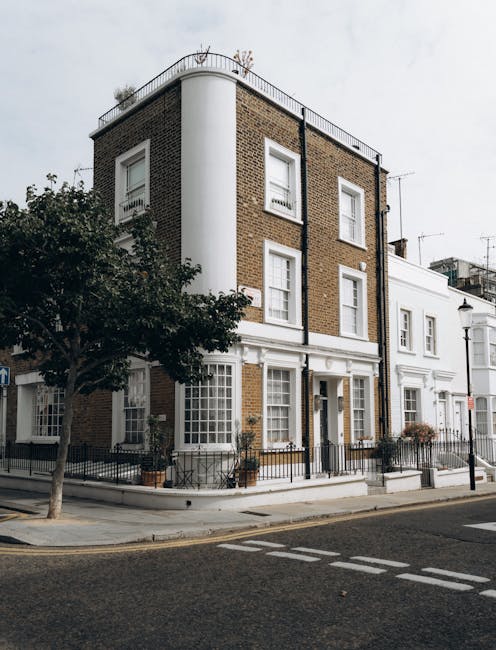
Pembridge Villas to Notting Hill Gate: Route Tips for Moves
Moving between Pembridge Villas and Notting Hill Gate looks simple on a map, but anyone who has tried to shift furniture through west London on a weekday morning knows the real story is in the details. Narrow streets, resident parking, busy junctions, loading constraints, and the occasional double-parked delivery van can turn a short journey into a stressful one if you do not plan properly.
This guide gives you practical, local route tips for moves so you can reduce delays, protect your belongings, and choose the right moving method for the job. Whether you are relocating a flat, a family home, an office corner, or just a few heavy items, the aim is the same: make the move smoother, safer, and far less chaotic. If you are comparing service options as well, it helps to look at the full range of removal services available in Notting Hill before deciding what support you need.
Notting Hill moves often look short on paper and demanding in real life. That is exactly why route planning matters.
Table of Contents
- Why the route matters for a Pembridge Villas to Notting Hill Gate move
- How the move route typically works
- Key benefits of planning the route properly
- Who this advice is for
- Step-by-step moving guidance
- Expert tips for a smoother move
- Common mistakes to avoid
- Tools, resources and recommendations
- Law, compliance, standards and best practice
- Options and route planning comparison
- Real-world moving example
- Practical moving checklist
- Conclusion
- Frequently asked questions
Why Pembridge Villas to Notting Hill Gate: Route Tips for Moves Matters
The stretch between Pembridge Villas and Notting Hill Gate is short, but that does not make it simple. In a dense part of London, the route you choose can affect everything from arrival time to whether your moving van can safely stop near the property. A move that takes 10 minutes in free-flowing traffic can become longer once you factor in school runs, bus activity, loading bays, cyclist traffic, or a street that simply is not ideal for a larger vehicle.
Why does that matter so much? Because moving day is rarely forgiving. Boxes pile up, neighbours want access, and the clock keeps running. If you are moving into a flat with limited external space, or out of a building with awkward access, route choice becomes part of the logistics, not just a navigation task.
For local context about the area and how people actually live there, the article Notting Hill living: a local's overview is a useful companion read. It helps you understand the rhythm of the neighbourhood, which is often more useful than a sat-nav alone.
Expert summary: For short west London moves, the best route is usually the one that balances access, vehicle size, loading time, and road conditions - not simply the one that looks fastest on paper.
That is especially true if you are moving larger furniture, fragile items, or time-sensitive belongings. A calm, well-timed route can save more stress than an extra pair of hands ever will.
How Pembridge Villas to Notting Hill Gate: Route Tips for Moves Works
On paper, a move from Pembridge Villas to Notting Hill Gate is a short local transfer through a familiar pocket of W11. In practice, moving operations need to account for more than distance. The route should be assessed in layers:
- Vehicle suitability: can a van safely enter and stop near both addresses?
- Access conditions: are there steps, tight corners, narrow entrances, or lift restrictions?
- Time of day: will traffic be heavier during school hours, commuter peaks, or retail delivery windows?
- Parking/loading rules: is there a nearby loading bay or controlled parking zone to consider?
- Property layout: does the building require carry distance from the van to the front door?
For many moves, the route is not chosen because it is the shortest in miles. It is chosen because it allows the driver to stop close enough to load and unload efficiently. That is why a well-prepared man with a van in Notting Hill can be a practical option for local relocations, especially where speed and flexibility matter.
If you are moving from or into a flat, the dynamics change again. Stair access, lift availability, and communal entrance rules can affect the handover more than the road itself. In those cases, a focused flat removals service in Notting Hill is often more suitable than a generic transport-only booking.
In short, the route "works" when the moving plan and the street layout support each other. That sounds obvious, but many stressful moves begin with the assumption that the road is only a road.
Key Benefits and Practical Advantages
Good route planning gives you a lot more than a slightly faster drive. It improves the whole moving experience.
1. Less waiting time
When the van can park close to the property, loading is quicker. That matters if you are paying by the hour or trying to avoid disruption to neighbours, reception staff, or building managers.
2. Lower risk of damage
Shorter carry distances reduce the chance of scuffs, dropped items, and corner damage. This is especially useful for awkward furniture, mirrors, and boxed electronics. If you are moving bulky household goods, specialist furniture removals in Notting Hill can make the process much safer.
3. Better control on tight streets
Local roads can be unforgiving for drivers who are not prepared for restricted access. A route that avoids unnecessary turns and bad stopping points often works better than trying to "improvise" on the day.
4. Less disruption to your schedule
Moves rarely happen in isolation. You may have key handovers, cleaners, decorators, building access windows, or work meetings to juggle. A route plan helps everything stay in sync.
5. Stronger cost control
Efficiency matters. If the vehicle spends less time searching for access or negotiating the street, you typically keep the job tighter and more predictable. For transparent guidance, it is worth reviewing pricing and quotes before booking so you know how the service is structured.
There is also a comfort factor. You feel it on moving day: less rushing, fewer unknowns, fewer surprises. Truth be told, that alone is worth a lot.
Who This Is For and When It Makes Sense
This kind of route guidance is useful for several types of movers, not just people shifting a full house.
- Flat movers: if you are relocating between apartments or studio spaces in the W11 area.
- Home movers: if you are moving family furniture, boxes, and white goods.
- Students: if your move is compact but time-sensitive and you need efficient local transport. A student removals service can be a smart fit for lighter but urgent moves.
- Office movers: if you are transferring desks, files, or IT equipment between nearby locations.
- Same-day movers: if your plans changed suddenly and you need quick coordination. In those situations, same-day removals in Notting Hill may be the right safety net.
- People with delicate items: pianos, antiques, large art, and awkward furniture pieces often need more than a driver and a van.
It also makes sense if your building has restrictions. Some homes and blocks in the area operate around loading windows, concierge protocols, or shared entrances. If that is your situation, route planning becomes part of your access strategy.
And yes, if you are moving from a top-floor flat with a narrow stairwell, you will want a plan that respects gravity. It is always very enthusiastic on moving day.
Step-by-Step Guidance
Here is a simple, practical approach that works for most local moves.
Step 1: Confirm both access points
Check where the van can realistically stop at the pickup and drop-off addresses. Look for permit zones, curb restrictions, resident bays, or nearby loading spaces. If you are unsure, walk the street at the same time of day you plan to move.
Step 2: Measure the awkward items
Measure sofas, wardrobes, mattresses, desks, and anything with a fixed frame. A route that looks fine for boxes may not work for a large sideboard or long mirror.
Step 3: Choose the right vehicle size
A larger van may carry everything in one trip, but it can be harder to park. A smaller vehicle may be easier to place, especially on tight residential streets. The right answer depends on the load and the access. If you want a service overview first, removal services in Notting Hill give a clearer picture of the available options.
Step 4: Set the move time wisely
Whenever possible, aim for a window that avoids the busiest local traffic periods. Early starts are often practical because the streets are calmer and you have more flexibility if something takes longer than expected.
Step 5: Pack for the route, not just the room
Use smaller boxes for books, crockery, and anything heavy. Keep essentials separate so you are not hunting for the kettle, charger, or documents after unloading. The right packing and boxes support can make a huge difference to speed and safety.
Step 6: Protect the items that need it
Wrap fragile surfaces, secure drawers, and dismantle furniture only where it genuinely helps. There is no prize for turning one sofa into six unstable pieces if it does not need to be taken apart.
Step 7: Confirm parking and timing with the crew
Everyone should know where the vehicle is going, when it arrives, and which entrance is being used. Shared assumptions are a common source of delay.
Step 8: Keep the final handover efficient
At the destination, clear a path before the van arrives, protect floors if needed, and know where each item should go. The better the unloading plan, the less shuffling you will need later.
Expert Tips for Better Results
Local moves often improve dramatically when you use a few experienced habits.
- Do a dry run: if possible, walk the route from van stop to front door. This is especially useful for basements, mews access, and communal entrances.
- Front-load the essentials: keep tools, tape, keys, chargers, and paperwork close to hand. You do not want them buried under cushions and lamp shades.
- Book around street rhythm: residential streets, schools, cafes, and deliveries all shape traffic. A route that looks quiet online may be busy in person.
- Use protection on furniture edges: especially for doors, table corners, and glass fronts.
- Ask about access before moving day: if a building has rules for the lift or loading bay, confirm them early.
- Match the service to the task: for large furniture, ask about house removals in Notting Hill; for bigger domestic or mixed loads, general removals in Notting Hill may be more suitable.
If you are moving valuable or fragile items, it is sensible to check what protection is included. The page on insurance and safety is worth reviewing because moving is one of those jobs where it pays to know the practical safeguards before lifting starts.
Small insight, big impact: a moving day is usually won or lost in the first 10 minutes at each address. Get the stopping point right and the rest becomes far easier.
Common Mistakes to Avoid
Most moving problems on this route are preventable. The main mistake is assuming the move is too short to need serious planning.
- Ignoring parking restrictions: even a short stop in the wrong place can create delays or fines.
- Choosing the route only by distance: the shortest route is not always the easiest for a moving vehicle.
- Underestimating carry distance: a 30-second walk from van to door can become a long job when repeated 20 times.
- Packing heavy boxes too large: these are hard to carry and more likely to split.
- Not checking lift access: if a lift is out of service or too small, your timing changes fast.
- Forgetting disposal and recycling: unwanted packaging and old items can slow you down if you have not planned ahead. If sustainability matters to you, take a look at recycling and sustainability guidance.
- Leaving the booking too late: local removal slots can fill up, especially at month-end or during busy tenancy changeovers.
Another mistake is failing to read the service terms. A quick glance at the terms and conditions can help you avoid misunderstandings about timing, access, and responsibilities. Nobody enjoys a day of "I thought you meant that entrance."
Tools, Resources and Recommendations
You do not need fancy software to plan a move well, but a few simple tools help.
| Tool or resource | What it helps with | Why it matters |
|---|---|---|
| Street view / mapping apps | Checking access and stopping points | Lets you spot tight corners and likely loading issues before the move |
| Basic tape measure | Furniture dimensions and door clearances | Reduces the risk of items not fitting through the route |
| Box labels and marker pens | Fast unloading and room placement | Saves time at the destination |
| Furniture blankets and wraps | Item protection during transit | Helps prevent scratches and chips |
| Local service pages | Choosing the right moving support | Helps you compare options and book the right level of help |
For readers who want to understand the business side of moving, the prices page is a sensible place to start. If you prefer to look more broadly at the company before booking, the about us page can help you judge how the service is presented and what it prioritises.
If you are planning a move that involves special handling, it may also help to compare dedicated services. For example, piano transport is not a generic furniture job, and a piano removals service usually makes more sense than improvising with standard moving equipment.
Law, Compliance, Standards, or Best Practice
For local moves in London, the most important compliance issues are usually practical rather than dramatic: parking rules, building access policies, vehicle size restrictions, and general safety standards. The exact arrangements can vary by street and property, so you should always check the local situation rather than assume it will be fine on the day.
Best practice for a move on this route usually includes:
- observing parking and loading restrictions;
- keeping pathways clear for residents and pedestrians;
- using safe lifting methods for heavy items;
- protecting common areas such as halls and lifts;
- confirming any building-specific move-in or move-out procedures;
- ensuring the moving team follows the agreed booking details.
If the move involves employees, office equipment, or shared responsibility for items, it is sensible to choose a provider that treats health and safety seriously. The health and safety policy is a useful trust signal because it shows how the company thinks about safe handling, not just transport.
For reassurance around service standards, payment handling, and customer expectations, you may also want to review payment and security. Clear terms and a transparent process are part of good moving practice, especially in a busy urban area.
Options, Methods, or Comparison Table
Different moving setups suit different local moves. Here is a simple comparison to help you decide.
| Moving option | Best for | Strengths | Trade-offs |
|---|---|---|---|
| Man and van | Small to medium local moves | Flexible, quick to arrange, useful for tight streets | May not suit very large or multi-room moves |
| Dedicated removal van | Furniture-heavy or mixed household loads | More capacity and structure | Requires better access planning |
| Flat removals team | Apartment-to-apartment moves | Good for stairs, lifts, and shared entrances | May be more involved than a simple transport-only booking |
| Same-day removals | Urgent or changing plans | Fast response and practical recovery option | Less time to prepare in advance |
| Storage-assisted move | Staged relocations or delayed handovers | Useful when dates do not line up neatly | Requires extra handling and planning |
For many people moving between Pembridge Villas and Notting Hill Gate, a man and van option is enough. If the load is larger, a full removal team may be more efficient. If you are in doubt, the safest route is usually to choose the service that matches your building access and volume of belongings rather than the cheapest headline option.
Case Study or Real-World Example
Consider a typical local move: a one-bedroom flat with a sofa, double bed, two bookcases, a dining table, boxes of kitchenware, and a couple of fragile items. The route from Pembridge Villas to Notting Hill Gate is short, but the moving day still needs coordination.
In this kind of scenario, the move works best when the team:
- arrives during a quieter traffic window;
- uses a van size that can stop close to both addresses;
- protects furniture before loading begins;
- keeps fragile items separate;
- prepares the destination path before arrival;
- unloads room by room in a planned order.
What usually goes wrong in moves like this? Not the drive itself. It is the access. One property may have a narrow entrance or a shared hallway, while the other has a tighter stopping point than expected. If the moving plan already accounts for those constraints, the actual journey feels almost easy.
That is why people who live locally often benefit from services that understand the area. A provider familiar with west London streets and property layouts is better placed to spot the small details that matter. For more locality-specific context, this guide to Portobello Road moves in W11 offers a useful parallel example of how access and timing shape local removals.
Practical Checklist
Use this checklist to keep the move organised from the start.
- Confirm moving date and time.
- Measure large furniture and note awkward items.
- Check both addresses for access, lifts, and stairs.
- Review parking and loading options near each property.
- Choose the right van or removal service.
- Label boxes clearly by room.
- Separate essentials you need on arrival.
- Protect fragile and valuable items carefully.
- Keep keys, documents, and contact details handy.
- Walk the unloading path before items are brought in.
- Confirm payment details and service terms in advance.
- Arrange recycling, storage, or disposal if needed.
Quick reality check: if any item on this list is uncertain, resolve it before moving day. A five-minute check now can save an hour later.
Conclusion
A short move from Pembridge Villas to Notting Hill Gate still deserves proper planning. In this part of London, route choice, vehicle access, timing, and property layout all influence how smoothly the day goes. If you think of the route as part of the removal job rather than just the drive between two postcodes, you are already ahead of the game.
The main goal is simple: reduce friction. Choose the right service, confirm access, pack intelligently, and avoid assumptions about parking or stopping space. That is how a move that could feel rushed ends up feeling controlled instead.
If you are also exploring wider local information before you move, smart property buying guidance in Notting Hill and investment insights for Notting Hill property can help you understand the area from a longer-term perspective.
Get a free quote today and see how much you can save.
For next steps, it is often worth checking the service scope, safety approach, and pricing details before you commit. That way, the move is planned around your property, not the other way around.
Frequently Asked Questions
What is the best route for moving from Pembridge Villas to Notting Hill Gate?
The best route is usually the one that offers the easiest vehicle access and least disruption, not just the shortest distance. For moving vans, stopping safely near both addresses often matters more than shaving off a minute or two of drive time.
Should I book a man and van or a full removal service for this move?
That depends on volume, access, and how much help you need. A man and van setup often suits smaller local moves, while a full removal service is better for larger household loads, awkward furniture, or more complicated access.
How early should I start planning a local move in Notting Hill?
As early as you can, especially if parking, building access, or van size needs checking. Even for short local moves, a little lead time helps prevent last-minute stress and reduces the risk of delays.
Is parking the main challenge on this route?
Parking and loading are often the biggest practical challenges, yes. The road itself may be straightforward, but a legal and convenient stopping point can make or break the efficiency of the move.
What should I do if my building has a narrow entrance or stairs?
Tell the removal team in advance and measure anything bulky. That allows the mover to plan carrying angles, protective wrapping, and whether dismantling certain furniture will help.
Can I move on a weekday morning without problems?
You can, but weekday mornings may be busier with local traffic, deliveries, and school activity. If you have flexibility, a quieter time often makes the move easier.
Do I need special help for a piano or other heavy item?
Yes, specialist handling is strongly recommended for pianos and other unusually heavy or delicate items. A dedicated piano removals service is a safer choice than standard transport.
How do I protect fragile items during a short move?
Use strong boxes, fill empty space with packing material, label fragile items clearly, and keep them separate from heavier goods. Short journeys can still cause damage if items are not secured properly.
What if I need to move out or move in on the same day?
Same-day options can help when dates change or timings overlap. The important thing is to confirm access, load order, and the size of the job quickly so the booking matches the reality on the ground.
Are there any local rules I should check before moving?
Yes. Check parking restrictions, loading rules, and any building-specific move policies. If you are using a removal company, ask them to explain any assumptions they are making about access before the day arrives.
How can I keep costs under control for a move like this?
Keep the job efficient: pack well, label clearly, choose the right vehicle, and make sure parking and access are sorted in advance. Reviewing pricing and quotes before booking also helps you understand what drives the final cost.
What if I do not need everything moved right away?
Storage can be very useful if dates do not line up or you need time to sort through belongings. In that case, a storage option in Notting Hill can keep the move flexible and reduce pressure on the day.
How do I know if a moving company is trustworthy?
Look for clear service information, transparent pricing, sensible policies, and a straightforward process for insurance, payment, and complaints. The more clearly a company explains what it does, the easier it is to trust it with your belongings.
If you are still comparing options, it is worth reviewing the company's wider support pages such as insurance and safety, payment and security, and about us before deciding.